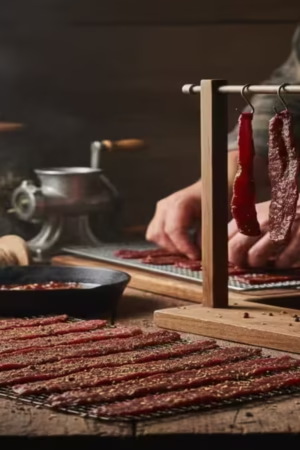

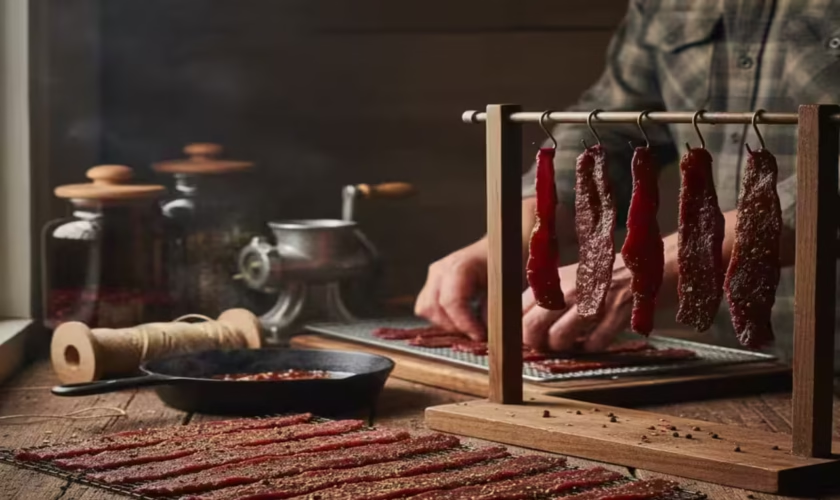
Old fashioned beef jerky is a traditional dried meat made using simple ingredients, slow curing, and air-drying or smoking instead of modern industrial processing. This method preserves natural beef flavor, creates a firm texture, and extends shelf life without refrigeration, making it popular among hikers, athletes, and traditional food enthusiasts.
Many packaged jerky products today taste soft, sweet, and overly processed. Traditional jerky offers a completely different experience. It feels tougher, tastes richer, and reflects centuries-old preservation methods used long before refrigeration existed.
Understanding how traditional jerky is made helps buyers choose authentic products and recognize quality. The difference lies in ingredients, preparation, and drying techniques developed through generations.
What Defines Old Fashioned Beef Jerky and Its Traditional Origins
Traditional jerky dates back thousands of years. According to the Smithsonian Institution, Indigenous peoples dried meat using sun and smoke to preserve food for months. This method reduced moisture, preventing bacterial growth and spoilage while maintaining protein and nutrients.
Why old fashioned original beef jerky tastes different from modern jerky
Traditional jerky uses minimal processing, which preserves beef’s natural texture and flavor. Modern commercial jerky often includes tenderizers, excessive sugar, and artificial preservatives to speed production and improve shelf appeal.
Key differences include:
- Traditional jerky has firm texture because muscle fibers remain intact during slow drying.
- Natural curing produces deeper beef flavor without heavy sweeteners masking meat quality.
- Smoke drying creates preservation and flavor instead of relying on chemical preservatives.
- Longer drying times reduce moisture content, increasing shelf stability naturally.
- Simple ingredients make it easier to trace meat quality and preparation authenticity.
How preservation methods allowed jerky to last months without refrigeration
Drying removes water needed for bacteria survival. According to the USDA, reducing moisture below specific thresholds prevents microbial growth, extending shelf life safely.
This process works through several mechanisms:
Moisture reduction stops bacterial growth
Removing water lowers water activity levels below safe microbial survival ranges.
- Bacteria cannot multiply without sufficient available moisture.
- Reduced moisture stabilizes protein structure naturally.
- Shelf life increases without requiring refrigeration systems.
Salt curing protects and preserves meat
Salt draws moisture from muscle tissue while adding flavor.
- Salt slows oxidation and microbial development.
- It strengthens preservation during long drying periods.
- Natural curing reduces dependency on artificial additives.
Why people’s choice beef jerky old fashioned original follows historic methods
Brands like people’s choice beef jerky old fashioned original follow traditional slicing, curing, and drying instead of rapid industrial cooking. This approach preserves authentic texture.
Authentic producers focus on:
- Thick slicing that maintains muscle structure and chewiness.
- Slow smoking techniques using real hardwood sources.
- Avoiding excessive sweeteners that hide meat flavor.
- Extended drying periods for stability and preservation.
- Maintaining traditional recipes passed through generations.
How Old Fashioned Beef Jerky Is Made Step by Step Traditionally
Traditional jerky production requires time, precision, and understanding of meat science. A 2022 study published in the Journal of Food Science found slow-dried meat retains more protein density per gram compared to high-temperature processed meat snacks.
Selecting the right beef cuts for traditional jerky texture
Lean cuts work best because fat spoils faster. Fat oxidizes and turns rancid, reducing shelf life and flavor quality.
Common cuts include:
- Top round offers balanced texture and consistent muscle fiber density.
- Bottom round provides affordability while maintaining traditional chew characteristics.
- Eye of round creates uniform strips ideal for even drying conditions.
- Sirloin tip delivers slightly richer flavor with firm structure retention.
- Flank steak produces stronger grain texture preferred in authentic jerky.
How curing and seasoning develop flavor in beef jerky old fashioned
Curing allows seasoning to penetrate deeply into meat fibers. Traditional recipes avoid excessive sugar and artificial flavoring.
Basic curing ingredients include:
- Salt acts as primary preservation and flavor enhancer during drying process.
- Black pepper adds mild spice while preserving traditional taste authenticity.
- Vinegar helps control bacterial growth and balances flavor complexity.
- Garlic contributes antimicrobial benefits and depth of flavor.
- Smoke exposure adds preservation compounds and unique aroma.
Step-by-step curing process used in traditional jerky
Each step affects preservation and taste quality significantly.
Step 1: Slicing meat against grain improves chewability
Slicing against grain shortens fibers, making jerky easier to chew.
Step 2: Applying cure evenly ensures consistent preservation
Uniform coating prevents uneven drying and spoilage risks.
Step 3: Resting period allows cure penetration
Meat rests 12 to 24 hours for full flavor absorption.
Step 4: Preparing meat for drying ensures consistent results
Strips are arranged with airflow space between pieces.
Why slow drying and smoking create authentic jerky texture
Drying temperature and airflow determine final texture and safety. Traditional drying occurs between 50°C and 70°C slowly.
Key benefits include:
- Slow drying prevents outer layer hardening while inside remains moist.
- Smoke adds antimicrobial compounds improving preservation naturally.
- Airflow removes moisture efficiently without cooking meat.
- Low temperature protects protein structure and nutritional value.
- Longer drying produces signature tough traditional chew.
Nutritional Value and Health Benefits of Traditional Beef Jerky
Jerky offers concentrated nutrition. According to Harvard Health Publishing, dried meat contains high protein density and low carbohydrates, making it suitable for muscle maintenance and energy support.
Why old fashioned beef jerky is a high protein snack option
Removing water concentrates nutrients. Protein remains intact while weight decreases.
Typical nutritional benefits include:
- High protein supports muscle repair and recovery after physical activity.
- Low carbohydrate content helps maintain stable blood sugar levels.
- Iron content supports oxygen transport and prevents fatigue symptoms.
- Vitamin B12 helps nerve function and energy metabolism.
- Long shelf life makes it ideal emergency or travel food.
How traditional jerky avoids additives found in modern products
Industrial jerky often contains preservatives like sodium nitrite and excessive sugar.
Traditional jerky typically avoids:
- Artificial tenderizers that change meat texture unnaturally.
- High fructose corn syrup added for sweetness and shelf stability.
- Synthetic preservatives designed for long retail display periods.
- Chemical flavor enhancers masking poor meat quality.
- Excessive sodium levels beyond preservation necessity.
Real-world example showing why athletes enjoy beef jerky old fashioned
Ahmed, a long-distance cyclist from Lahore, needed portable protein during 200-kilometer training rides. Modern snacks caused sugar crashes and fatigue.
Switching to traditional jerky provided:
- Stable energy levels during long endurance cycling sessions.
- Lightweight food carrying convenience without refrigeration needs.
- Faster muscle recovery due to high protein concentration intake.
- Improved stamina without blood sugar spikes and crashes.
- Reliable nutrition during remote outdoor training conditions.
How to Identify Quality Old Fashioned Beef Jerky for Sale
Choosing authentic jerky requires careful inspection. Many products claim traditional preparation but use modern shortcuts.
Visual and texture signs of authentic traditional jerky
Appearance reveals processing method clearly.
Look for these characteristics:
- Jerky appears dry but not brittle or powdery on surface.
- Visible muscle grain confirms real meat structure remains intact.
- Uneven shapes indicate hand-cut traditional preparation methods.
- Dark color reflects smoking instead of artificial coloring.
- Firm resistance when bent shows proper moisture removal.
Ingredient label clues that reveal true traditional jerky
Ingredient lists reveal production authenticity.
Avoid products containing:
- Excessive sugar listed among first ingredients on packaging labels.
- Artificial preservatives such as sodium nitrite or potassium sorbate.
- Chemical flavor enhancers instead of natural spices and smoke.
- Tenderizers designed to soften texture artificially.
- Artificial smoke flavor instead of real wood smoke exposure.
Why people’s choice beef jerky old fashioned remains popular today
Traditional brands maintain loyal customers due to consistent quality.
Consumers prefer traditional jerky because:
- Authentic texture provides satisfying chewing experience missing in modern products.
- Natural flavor delivers genuine beef taste without artificial sweetness.
- Longer shelf life improves travel and storage convenience.
- Trusted preparation methods ensure product consistency and reliability.
- Heritage recipes connect buyers to traditional food preparation culture.
Frequently Asked Questions
What makes old fashioned beef jerky different from regular jerky?
Old fashioned beef jerky uses slow drying, minimal ingredients, and traditional smoking. Modern jerky often uses tenderizers, artificial preservatives, and faster cooking methods. Traditional jerky feels firmer, tastes more natural, and lasts longer without refrigeration due to proper moisture reduction.
Is old fashioned original beef jerky healthier than modern jerky?
Traditional jerky often contains fewer additives and less sugar. This makes it a better protein source with fewer artificial ingredients. However, sodium levels remain high due to preservation needs, so moderation remains necessary for balanced nutrition.
How long does traditional beef jerky last without refrigeration?
Properly dried jerky can last one to two months at room temperature. Refrigeration extends shelf life to several months. Low moisture content prevents bacterial growth, which allows safe storage when prepared correctly using traditional drying methods.
Why is beef jerky old fashioned tougher to chew?
Traditional jerky retains natural muscle fiber structure because it is not mechanically tenderized. Slow drying removes moisture without breaking fibers. This creates firmer texture, which many people prefer for authenticity and longer chewing satisfaction.
Where can you find authentic old fashioned beef jerky for sale?
Authentic jerky is available through specialty meat shops, traditional producers, and trusted heritage brands. Look for simple ingredient lists, visible muscle grain, and firm texture. Avoid overly soft or sweet products claiming traditional preparation.
Why Old Fashioned Beef Jerky Remains Popular Today
Traditional jerky continues attracting people who value authenticity, nutrition, and preservation history. Its preparation method delivers better texture, natural flavor, and reliable shelf life compared to modern alternatives.
Choosing old fashioned beef jerky helps you experience traditional food craftsmanship while gaining a convenient protein source. Look for trusted producers, review ingredients carefully, and select authentic products that reflect true drying and curing methods.